


Would Christian Horner Be the Right Fit as Audi’s F1 Team Principal?

Christian Horner has been a dominant figure in Formula 1 for years. As the Red Bull Racing team principal, he has led the team through highs and lows, including multiple world championships with Max Verstappen and Sebastian Vettel. Now, with Audi entering F1, many are asking: would Horner be a good fit to lead Audi’s new Formula 1 team?
I’ve been following this story closely, especially after reading the recent RacingNews365 review. It raises some interesting points about Horner’s potential move and what it could mean for Audi’s F1 ambitions.
Let’s break down the case for and against Christian Horner taking the helm at Audi.
What Christian Horner Brings to the Table
Christian Horner is no stranger to success in Formula 1. Since becoming Red Bull’s team principal in 2005, he has overseen the team’s rise from midfield to championship contender. His leadership helped Red Bull secure four consecutive drivers’ and constructors’ titles from 2010 to 2013 with Sebastian Vettel. More recently, he has been instrumental in Max Verstappen’s rise to the top, guiding the team to multiple wins and a world championship.
Horner’s strengths include:
Proven leadership under pressure: He has managed high-profile drivers and intense team dynamics.
Experience building a winning culture: Red Bull’s success is partly down to the environment Horner fosters.
Strong relationships within F1: Horner knows the sport inside out, from technical regulations to race strategy.
Ability to attract and retain top talent: He has worked closely with key figures like Verstappen and Adrian Newey.
Audi will need all these qualities as they build a new team from scratch. The German manufacturer is entering a highly competitive sport with established giants like Mercedes, Ferrari, and Red Bull. Having someone who understands the F1 ecosystem and can hit the ground running would be a huge advantage.
Challenges Horner Might Face at Audi
Despite his success, Horner’s move to Audi wouldn’t be without challenges. Audi is a brand with a very different culture and approach compared to Red Bull. The company is known for precision engineering and a methodical approach to motorsport, which might clash with Horner’s more aggressive style.
Some potential hurdles include:
Adapting to a new corporate environment: Audi is part of the Volkswagen Group, which has a different way of operating compared to Red Bull’s more entrepreneurial setup.
Building a team from the ground up: Unlike Red Bull, which inherited Jaguar Racing’s infrastructure, Audi will need to create everything fresh. This requires patience and long-term vision.
Managing expectations: Audi’s entry into F1 comes with high hopes but also pressure to deliver results quickly.
Navigating internal politics: Large manufacturers often have complex decision-making processes that can slow down progress.
Horner’s ability to adapt to these factors will be crucial. His track record shows he can handle pressure, but the environment at Audi will be a new test.

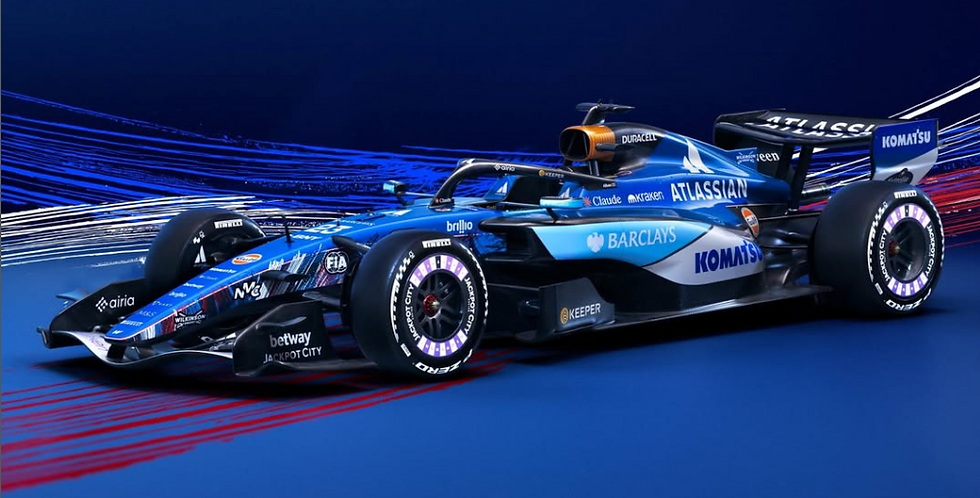
Audi’s upcoming F1 car prototype represents a fresh start for the brand in Formula 1.
How Horner’s Experience Could Accelerate Audi’s Progress
One of the biggest advantages of hiring Horner would be his deep knowledge of race strategy and driver management. Audi will need to develop a strong driver lineup and a competitive car quickly. Horner’s experience with Max Verstappen shows he can nurture talent and get the best out of drivers.
Moreover, Horner’s understanding of F1’s technical and sporting regulations could help Audi avoid rookie mistakes. For example, Red Bull’s ability to interpret rules creatively has often given them an edge. Audi could benefit from this insight to maximise their car’s performance within the rules.
Audi’s entry also coincides with the new engine regulations in 2026. Horner’s experience working with engine suppliers and technical teams will be valuable in navigating this transition.
Comparing Audi’s Approach to Other New Entrants
Looking at recent new teams in F1, such as Haas and Aston Martin, shows how tough it is to break into the sport. Haas struggled initially due to limited resources and experience, while Aston Martin has made steady progress thanks to strong leadership and investment.
Audi’s plan is ambitious, with a big budget and a clear goal to challenge the top teams. Bringing in someone like Horner could fast-track their development. His leadership could help Audi avoid the pitfalls that slowed down other new teams.
The Role of Technology and Data in Modern F1 Leadership
In today’s Formula 1, success depends heavily on technology and data analysis. Audi’s background in automotive engineering and electric vehicle technology could give them an edge. Horner’s role would be to integrate this technical strength with race strategy and team management.
For example, Audi’s expertise in electric powertrains and hybrid systems could be a game-changer under the new F1 engine rules. Horner would need to work closely with engineers to ensure this technology translates into on-track performance.

Telemetry and data analysis are key tools for modern F1 team principals like Horner.
What Audi Can Learn from Red Bull’s Success
Red Bull’s rise in F1 wasn’t just about having a great driver or car. It was about building a team culture that thrives on innovation, risk-taking, and teamwork. Horner has been central to creating this environment.
Audi can learn from this approach. While they bring engineering excellence, they also need to foster creativity and quick decision-making. Horner’s leadership style could help balance Audi’s corporate structure with the fast-paced demands of F1.
Final Thoughts on Horner’s Fit for Audi
Would Christian Horner be a good fit as Audi’s F1 team principal? I believe he has the skills and experience to lead Audi to success. His proven track record, leadership qualities, and deep knowledge of Formula 1 make him a strong candidate.
That said, the move would require Horner to adapt to a new culture and build a team from scratch. Audi’s ambitions are high, and they need someone who can deliver results while managing expectations.
If Audi wants to hit the ground running and challenge the established teams, signing Horner could be a smart move. It’s a bold step, but one that could pay off in the fiercely competitive world of Formula 1.
If you want to stay updated on the latest F1 news and analysis, check out All Motorsports, your go-to source for everything Formula 1.
Disclaimer: This article is for informational purposes only and reflects the author’s opinion based on publicly available information.


Comments